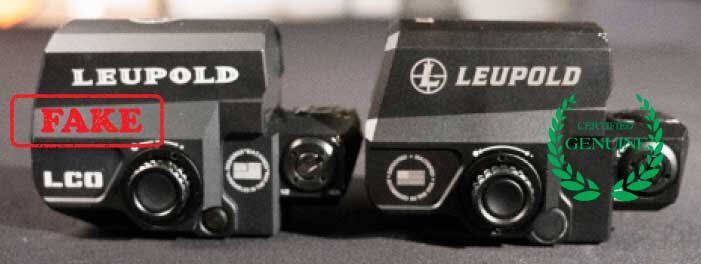
How to Identify a copyright Trijicon RMR: A Buyer's Guide
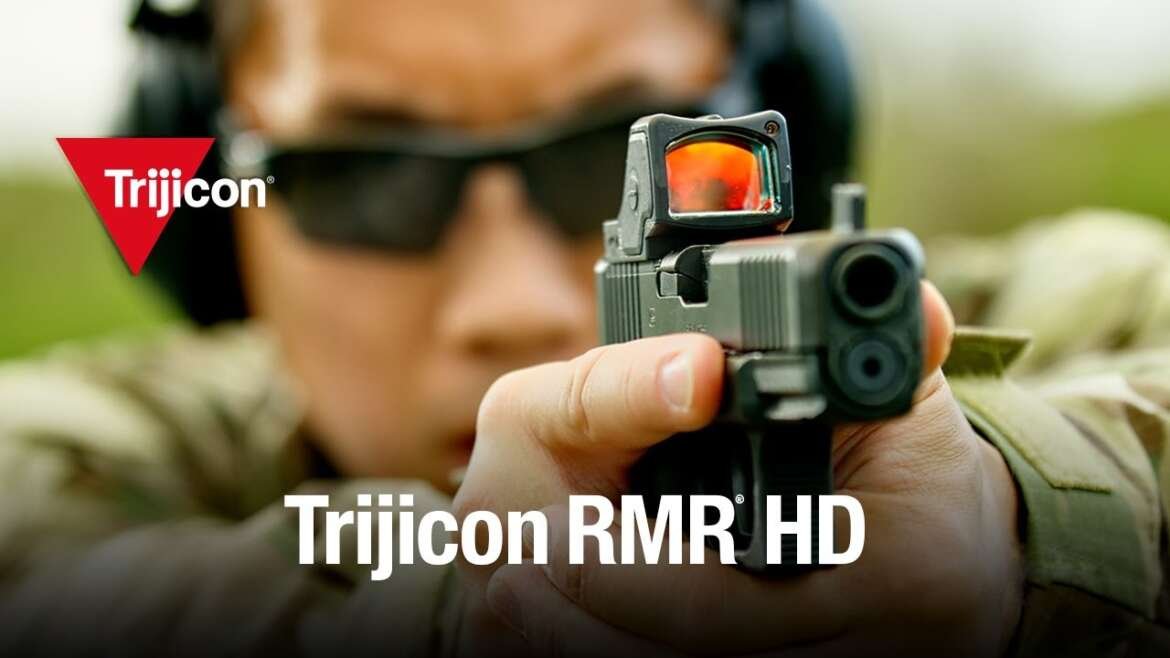
Spotting the fake Trijicon RMR can prove to be difficult, but close observation will help you key. First by checking the box; genuine RMRs arrive in high-quality packaging with crisp printing and absolutely no signs of tampering. The sight picture itself should be clear and perfectly centered; any deviation suggests a possible fake. Pay close attention to the laser markings; copyright units often have incorrect lettering, blurry details, or are just noticeably off. The overall coating should feel high-end, and any roughness indicate a knockoff. Finally, always purchase from an authorized dealer to avoid getting ripped off a fake.
Spotting Fake Trijicon RMRs: Red Flags and Verification Tips
Identifying imitation Trijicon RMRs can be increasingly crucial as sophisticated forgers produce convincing replicas. Be wary for several warning signs . First, examine the packaging – authentic Trijicon products usually feature high-quality materials and precise printing; poor quality or misspellings are a major issue . Next, look at the finish – fake RMRs often have a low feel and inconsistent coloring. The lens on its own is another key area; confirm for crispness, clarity, and proper coating, as counterfeits frequently show flaws . Finally, investigate the seller's reputation ; purchasing from authorized dealers significantly reduces the risk of acquiring a fake. Consider contacting Trijicon directly for confirmation if you have any reservations.
Are Those RMRs Genuine?
With the abundance fake reflex sights showing up , it’s essential to verify your Trijicon RMR. Many knock-off units are currently being marketed online, so thorough inspection is needed. Examine the packaging for accurate markings and look for any glaring inconsistencies in manufacturing . A genuine RMR will appear solid, with exact machining— different from cheaper imitations. If something is seems off , reach out to Trijicon themselves for authentication.
Trijicon Sights Authentication: How Avoiding Scams
The growing popularity of Trijicon sights has, sadly , led to a rise in imitation products. Safeguarding your investment and enjoying the genuine quality requires careful authentication. First, inspect the packaging; official Trijicon boxes are typically high-quality with precise printing and display a detailed product description. Look for inconsistencies like misspellings or blurry images. Next, scrutinize the scope itself. Genuine Trijicon products often have unique markings – identify these etched directly into the metal . The finish should be exceptionally consistent and free from imperfections. Think about that many fakes attempt to mimic the "TriJicon" font, so contrast it closely against images on Trijicon's official website. Finally, if practical, purchase from an authorized dealer or a reputable source with a strong return policy - this provides an extra layer of protection and assurance. Here are some key points to remember:
- Box Condition – Evaluate if it appears professional.
- Inscriptions – Verify authenticity through detailed inspection.
- Surface Appearance - Look for signs of poor workmanship.
- Seller Reputation – Buy from trusted sources only.
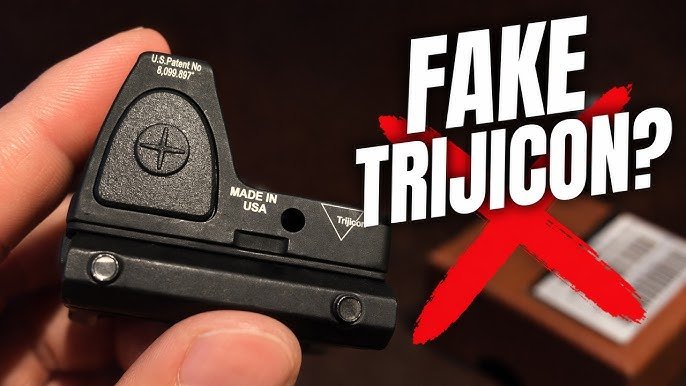
Don’t Get Fooled! Identifying Fake Trijicon RMR Units
The rising demand of Trijicon RMR sights has unfortunately resulted in a surge of copyright units entering the market. Safeguarding your investment and upholding operational functionality requires vigilance. These fake RMRs are often sold at attractive prices, but their construction is generally substandard, lacking the robustness expected of genuine Trijicon products. Carefully examine the box for misspellings, incorrect logos, or subpar printing – these are common warning signs. The surface on a fake unit may appear uneven or feel oddly textured, and the internal aimpoint might be fainter than genuine versions. Always buy through an reputable dealer to avoid being taken advantage of and ensure you're getting a true Trijicon RMR.
The Ultimate Guide to Detecting copyright Trijicon Optics
Identifying fake Trijicon sights can be a difficult process, as manufacturers of fraudulent goods become increasingly clever. Carefully inspect the box ; legitimate Trijicon products feature high-quality printing and a secure seal. Look for precise markings, including model numbers and serial registry information—counterfeits often have errors . The surface of the lens is also a crucial indicator; genuine Trijicon optics boast a even application, while fakes might reveal blemishes . Finally, if the value seems too good , be exceedingly cautious—it’s likely an attempted copyright.
Original vs. Fake : A Detailed Comparison of Trijicon RMRs
Distinguishing a genuine Trijicon RMR from an imitation can be difficult , especially with the proliferation of sophisticated copies . Numerous key differences exist beyond just the price tag, which is often significantly lower for replicas . Examine the etchings ; authentic RMRs possess precise and sharply defined details , whereas counterfeits typically exhibit blurry or poorly executed lettering . The glass quality is another significant indicator; a genuine RMR offers exceptional clarity and minimal distortion, unlike the often-cloudy or distorted view found in fake units. Furthermore, the overall build quality—the feel of the metal frame , the precision of the switches, and the alignment of internal components—will vary dramatically; a real RMR feels robust and well-made, while a copyright often feels flimsy or cheap. Finally, serial number verification through Trijicon's website is crucial; fake units frequently have non-existent or duplicated identifiers. Thorough inspection and research are vital to ensure you’re acquiring the real deal.
Protect Your Investment: copyright Trijicon Scope
Investing in a Trijicon scope is a significant expense, and sadly, copyright versions are growing increasingly prevalent. To safeguard your purchase, it's vital to learn how to a fake. First, scrutinize the markings – genuine Trijicon products feature crisp, clear etching, while fakes often have blurred or poorly defined characters. Examine the finish; authentic scopes possess a high-quality coating, whereas imitations may exhibit a inferior or inconsistent look and feel. Also, verify the warranty card – fake products frequently lack this important document or have an invalid serial number. If the price TRIJICON SCOPE seems too good to be true, it likely is! Consider consulting Trijicon’s website for identification guides and contacting their customer support directly if you have any doubts.
- Check Markings
- Assess Finish Quality
- Validate Warranty Card
- Be wary of Suspiciously Low Prices
Trijicon Authentication Checklist: Is Your RMR Real ?
The rising popularity of Trijicon RMRs has unfortunately led to a significant increase in copyright units. Safeguarding your investment and your safety, it's essential to verify the authenticity of your RMR. This checklist outlines key factors to examine – including the presentation, engravings, internal mechanisms, and identification mark format – to help you determine if your RMR is legitimate . Don't gamble performance or safety; take a few moments to inspect against these points before trusting your RMR in the field. A detailed assessment can potentially avoid a costly mistake and ensure you have a truly dependable optic.
Identifying copyright Trijicon RMR – What to Watch Out For
Unfortunately, bogus Trijicon RMR sights are becoming increasingly widespread, and understanding what indicators are can save you from a costly mistake. Pay close attention the exterior; authentic RMRs have a high-quality and consistent appearance, while fakes often exhibit imperfections. The font on the product may appear off, with noticeable differences in size or style. Also, check the container; copyright units frequently lack the detailed labeling and protective measures found on genuine products. Finally, if the price seems too appealing to be true, it likely is – a significantly reduced price can be a major warning sign of a fake item.
Verifying The Optic Buy Remains Authentic
Protecting yourself from copyright optics is paramount, and verifying the authenticity of your Trijicon scope purchase shouldn't be overlooked. Begin by closely inspecting the packaging; genuine Trijicon boxes feature high-quality printing and a distinctive feel – often with holographic elements or raised lettering that feel substantial. Next, examine the scope itself for markings; look for crisp, clear engravings of the model number, serial number, and "Trijicon" logo— such should be flawlessly aligned and consistently applied. Crucially, check the Trijicon website’s registration lookup tool; enter the scope's unique serial number to see if it appears in their database – this is a powerful indicator of legitimacy. Be wary of extremely low prices or sellers with poor reputations—these are often red flags indicating a potentially fake product. Finally, contact Trijicon’s customer service directly should you have any doubts; they can investigate the scope's authenticity and offer further assurance.
Expert Advice for Detecting copyright Tri-Jicon Optical Scopes
Protecting yourself from costly disappointment requires vigilance when purchasing a Trijicon Reflex sight. Thoroughly examine the packaging – genuine products boast high-quality printing and precise labeling, unlike the often-subpar quality found on fakes. The exterior finish should feel robust and be free from imperfections; cheaper counterfeits frequently exhibit a uneven coating or noticeable tool marks. Pay close attention to the lens – authenticity is signaled by sharp, clear image clarity and proper brightness distribution, whereas imitations often have blurry optics or inconsistent illumination. Check the serial number against Trijicon's online database; any discrepancies are a glaring indication of a fraudulent product. Finally, scrutinize the reticle itself – genuine Trijicon sights feature a crisp, well-defined dot, whereas counterfeits may present an unfocused or distorted appearance.